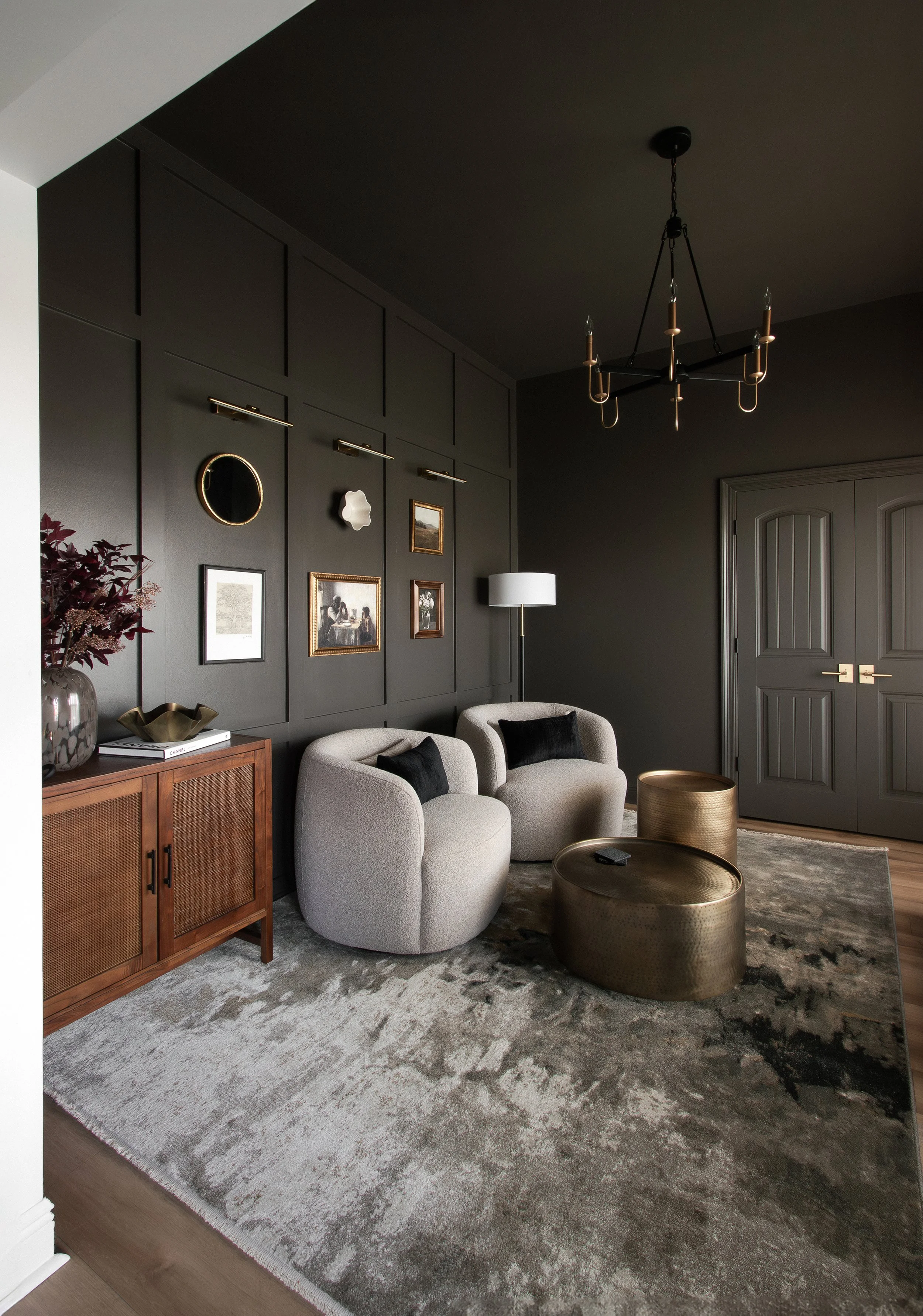

Directional Design
Design leadership rooted in clarity, judgment, and long-term decision-making.
Directional Design is the foundation of all work at Urbane Haus. It is a standalone engagement focused on defining the design position, spatial logic, and decision framework for a project before execution begins. This process removes ambiguity early, aligns all stakeholders, and ensures that every downstream decision is intentional rather than reactive.
All of our projects begin with Directional Design.
What Directional Design Is
This phase establishes the governing logic of a project before any execution begins. Directional Design is where clarity is created and decisions are owned.
It focuses on:
Defining the design position for the project
Resolving spatial logic, hierarchy, and flow
Establishing standards before selections are made
Aligning client, designer, and builder early-on
Creating clear boundaries for execution
What Directional Design Is NOT
Directional Design is intentionally narrow and decisive. It does not include:
Consultations or brainstorming sessions
Moodboards or styling exercises
Final selections or procurement
Installation or construction documents
Open-ended revisions or ongoing execution
Who This is For
Directional Design is well suited for:
Clients who want clarity before committing to execution
Projects where early decisions will have long-term impact
Homeowners planning for longevity and life-stage changes
Businesses seeking alignment between brand, space + function
Clients who value judgment over trend
Directional Design, Applied by Context
Directional Design is applied differently depending on context, scale, and complexity. We offer three distinct tiers.
-
Focused on how a home should function, feel, and endure over time.
Key areas of focus include:
Spatial organization + circulation
Lifestyle and life-stage planning
Privacy, hierarchy, and daily rhythm
High-level material and tonal direction
For clients who wish to continue, this work may lead into Full-Service Residential Design.
-
Focused on establishing foundational design logic for residential new-builds before architectural and interior decisions are finalized.
Key areas of focus include:
Early layout + planning direction
Interior architectural logic
Material and finish boundaries
Builder and architect coordination
For clients who wish to continue, this work may lead into New Construction Design.
-
Focused on aligning brand, experience, and operations within a physical environment.
Key areas of focus include:
Zoning + spatial hierarchy
Brand expression through environment
Customer and staff experience
Early contractor alignment
For clients who wish to continue, this work may lead into Commercial Design.
Continuing Into Execution
Directional Design may stand alone, or it may continue into execution for clients who want Urbane Haus to carry the established design position through implementation.
Execution services are offered selectively and only after Directional Design is complete.
What’s Next?
To begin:
Submit an inquiry.
Schedule a discovery call.
Begin Directional Design.
FAQs
-
Directional Design is a defined engagement with clear ownership of decisions. Unlike a consultation, it results in a resolved design position rather than general advice or recommendations.
-
Yes. Directional Design is often most valuable when working within existing conditions, where clarity around layout, hierarchy, and priorities is essential before changes are made.
-
Directional Design can evaluate existing materials for alignment and clarity. When plans exist, this phase is used to refine, correct, or reframe decisions before execution continues.
-
No. This phase establishes boundaries, standards, and direction rather than final selections. Specific products and finishes are addressed during execution, if pursued.
-
Timelines vary by tier and project complexity, but Directional Design is intentionally concise and focused. It is designed to move projects forward, not prolong them.
-
Yes. Directional Design is a complete engagement on its own and is often used by clients who plan to execute independently or with another team.
-
Urbane Haus owns the design direction and decision framework established during this phase. Clients retain control over how and when those decisions are executed.
-
Directional Design focuses on impact rather than size. It is appropriate whenever early decisions will influence the success, longevity, or cohesion of a space.